
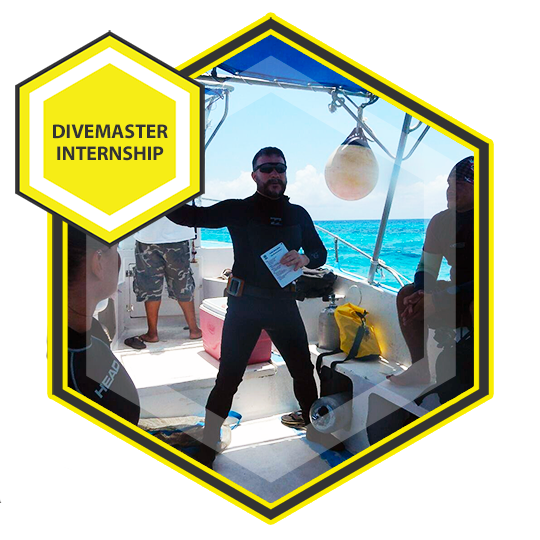
THE INSIDE STORY ON DIVEMASTER INTERNSHIPS
If Your Goal is to be Successful and to Earn Your Divemaster Credentials, this Information Could Save You Time, Money, and Heartache!
The Number One Rule in Scuba Diving
We like to say that the number one rule in Scuba Diving is to never hold your breath, but for budding divemasters it should probably be—nothing is free, especially Divemaster Internships.
Becoming a Divemaster is a wonderful way to become even more involved in our sport, and the internet is replete with nonsense ads looking to attract ocean-eyed under-water enthusiasts just like you to programs purporting to provide you the opportunity to earn you progressional credentials without ever having to come out of pocket. But that’s just not how it works out once you arrive and begin working. And here’s why…
In real life, the process of becoming a certified professional diver is expensive, regardless of which training organization you go through. Ultimately, people’s lives are in your hands and that is very serious business. As a divemaster, you have a moral and legal responsibility to ensure your clients enjoy safe diving with you, which is not something a novice diver can do. Learning these skills doesn’t come easily, nor does it every come free. Think about it, every profession on the planet (lawyers, doctors, accountants, plumbers, electricians) requires extensive training, and an enormous investment of both time and money. Becoming a divemaster is no different in this respect, and anyone who suggests otherwise is greatly misrepresenting what’s required.
Most organizations have five or more courses required to become a Divemaster: Open Water, Advanced, Primary and Secondary care, Rescue, and then a comprehensive Divemaster course itself. Each of these require significant academic and practical training, which itself costs money—not to mention the investment in things like diving equipment, the required dives (at least 60 of them), housing for the duration of your training, and travel to and from the course location. Since many people complete their Internships in places like Mexico, Thailand, or Indonesia—tickets can cost a pretty penny.
The Two Types of Dive Centers
Generally speaking, there are basically two different types of dive schools or centers out there: those who offer the Divemaster Internship “free” in exchange for work, and those who charge you a fee to complete your program. Those that offer the Divemaster internship in return for you working for them are, in our view, exploitive in nature—and should be avoided. But, to better investigate it we will go ahead and look at a few points that may help you make a more informed decision.
Benefits to the Dive Shop or School for Offering “Free” Divemaster Internships
Simply put, they get free labor. Lots of it. Hours, and hours, and hours of it. They do not employ the Divemasters or Dive guides they are using. Instead, they use their Divemaster interns to do the grunt work they’d normally have to pay a fully qualified Divemaster or Diveguide for.
At first glance, this may seem like a good deal. You may have more time available to you than you do funds, so you think to yourself, “Hey, no worries… I’ll just work it off and enjoy some fun in the sun at the same time!”
Wrong. That’s not how it works. Your fun will be limited to, in large part, what little time you get off in the evenings. You can expect to be up really early in the morning, work all day in the heat, and then maybe, you’ll have some time to do something you enjoy. Within a very short period of time, you’ll settle into a grueling, non stop work schedule that almost entirely benefits the owners of the company.
Being a Divemaster Intern isn’t the Same as Being a Divemaster
As a trainee you’re supposed to be learning how to become a professional, not replace professionals. It’s actually against regulations to work as a Divemaster when you don’t actually hold the credentials. But unscrupulous shops all over the world offer “free” internships, and then put divers who have no business being in charge of other divers, in charge of other divers. That’s a serious breach of trust, and it’s dangerous.
One of the problems with this model is you don’t know, what you don’t know. So you do what you’re told. However, being a real Divemaster requires time, effort, knowledge, training, and real experience. As a trainee, you should be in an environment that allows you to focus entirely on your academics and gaining experience. This should only be done under the direct supervision of a qualified mentor. Make no mistake about it, it is utterly inappropriate to have a non-professional do a professionals job. Ever.
You’ll be Depriving Locals of Work Opportunities
If you have any ethics or morals, you’ll also realize that you’re taking away work that locals could be doing. Think of it like this, in developing nations, where diving is often the best (think Cozumel, Mexico or Thailand), the shop should be investing in the local economy and that means hiring and paying a living wage to locals who can then take care of their families and invest back into their villages.
You Deserve to Be Properly Mentored by an Instructor
It’s easy to think it would be cool, as an Open Water diver, to jump right into the deep end of the pool and start working with clients. Bu
The reality is that you are sent out by yourself, without your instructor or another experienced Divemaster/Diveguide, because the company needs a person to guide and the instructors are busy with other courses. With no instructor watching over and offering advice and help, how will you develop your skills?
Sending you out guiding before you are ready, with no instructor or experienced Divemaster/Diveguide to help development your skills, will definitely result in an uncomfortable dive for your guests or yourself.
Remember that you are not paying for your instructor’s time so it is hard for the company to spend its resources on sending out an instructor with just a ‘free’ intern. It is because of this that interns lose that one-on-one time with an instructor.